When you look at a bunch of greeting cards, you’ll notice that some of the cards with pictures on them have glitter applied to them to enhance the design. In this project, I’ll show you how to take images cut from cards and add metallic paint, glitter, and plastic jewels to make them into sparkly ornaments.
Tools and Materials
Assortment of old greeting cards An assortment of cardstock and scrap chipboard in different colors Glue stick Scissors Paint water container Paint well tray or small recycled containers for mixing paint and glitter blends Clear-drying glue in a bottle with a squeeze tip that will hold a line, such as Diamond Glaze, 3D Crystal Lacquer, Turbo Tacky Glue, or Elmer’s. Glitter glue pens Glitter colors A selection of small paintbrushes Metallic and pearlescent paint such as Lumiere Glue-on or press-on plastic jewels Hole punch String, cord or thin ribbon for hanging
Instructions
Get out the old greeting cards and look for distinct objects and characters to cut out. Cut them by hand with a scissors, then mount them onto a piece of cardstock for extra thickness and give the cut-out shape a border.
Some examples of pictures I’ve cut from cards – flowers, hearts, birds, gnomes, angels, a cross, a lantern, penguins – what can you find on old cards?
Look for areas on on the image to highlight with glitter. The easiest to start with is probably white, because you can use it to emphasize snow, white highlights and other white areas.
I painted on some highlights in white pearlescent paint to go under the glitter for extra glow. On the dogwood I added a few dabs of pearlescent pink as well.
I found that my effects were more exciting if I painted on some metallic or pearlescent paint in the same color range of the glitter as an intermediate step before applying the glitter. I brushed pearl white Lumiere paint on the white areas and I let them dry.
If you want to, you can highlight other colors in the image, instead of white or in addition to white.
On the lantern on the left, I highlighted the white “snow” portion of the image, and added agold outline. I painted some pink lines on the heart to enhance the printed design, added glitter and a platic jewel. Then added a border of pink and white glitter.
Decide how many glitter colors you would like on your ornament. I used one, two or three different colors on each of mine depending on the size and design.
Wherever you would like glitter, squeeze out lines or drops of glue. I added an outline of glitter and glue around the edge of each shape. Sprinkle the glitter over the glue, press down very lightly, then shake off. Let dry between colors so you don’t get your glitter color areas mixed up.
This craft is easy enough for a kid to do, as long as they are old enough to safely handle the small pieces. I guess you could say I learned the rudiments from the kits I had as a kid, involving sprinkled flocking, sand or colored stones one color at a time to make a design. Glitter is fun for kids or adults. I experimented with making glitter blends to create more sophisticated colors. Glitter particles of different sizes and some opalescent colors really add interest.
Making a glitter blend on the left, plastic jewels on the right.
If you would like to add flat-back plastic jewels, attach them with tiny drops of glue and let dry.
Plastic jewels in the center of the cross and in the flower centers.
Punch a hole in the top and add cord or thin ribbon for hanging. You’re done!
Here is an angel and two gnomes with hanging loops of thin ribbon attached for hanging.
A celebration of my favorite color – green. Especially lime green!
For the last four years, my husband and I have been doing a conceptual art project called #12daysoftomsbeard. It’s a fun way of combining crafts, installation art, photography, mail art, digital art and conceptual art into a holiday celebration for us and our friends and family and anyone else who wants to join in. From December 25 through January 6th Tom poses for me with different items in his beard. I then apply wacky filter effects then upload the results to Instagram. We invite people to send in pieces to use in the beard. Sometimes Tom is more than just the muse and model and helps make some of the pieces and art direct it.
I make a lot of the pieces for the beard – until we get more participation, if we ever do, I’ll be making the majority of them. Not that I mind. Each year it’s been kind of an endurance contest to keep coming up with ideas for 12 days in a row, though well worth it. The activity is creatively fruitful and yields a lot of ideas I can explore throughout the year in other art and craft projects. This year was different though – at the end I was ready to keep going when it was over! So was Tom. He kept floating ideas to me, and me to him. At the time of this writing I’m still on a roll.
During the second year of the project I was really turned on by colors and made a lot of colorful paper pieces to put on Tom’s beard to accompany collaged paint sample cards that I salvaged and upcycled for my stash back when I worked at Central Hardware in 1989. I still have some left, and I still enjoy them! I decided to try a different color scheme for each day and see how many different ways I could interpret it. Did I develop all the ideas as far as they could go? Not even close, but it was and is a great exercise.
Colorful paper pieces made for #12daysoftomsbeard, inspired by upcycled paint sample cards.
Cookie cutters are convenient sources of shapes to trace, and might also be part of what makes this project “conceptual” – #12daysoftomsbeard could not happen in the format I’ve chosen without modern tools such as social media, smartphones, and digital filters. On the other hand, Christmas is nostalgic and comforting in times of uncertainty and technocratic threats, and what symbolizes holiday warmth and low-tech pleasures more than home-baked cookies made with vintage cookie cutters? I’ve decorated my paper “cookies” with craft bling instead of colored sugar, little silver candy balls, sprinkles, and whatever else is shiny and delicious.
Green beard pieces I made a couple of years ago on the left. One of them made a repeat appearance on Day 1, 2023-24.
There are lots of ways to bring in the “color of the day” to my beard photos, if that is the theme I’m on at the time. I use clothing, backgrounds, props and filter effects. I also purpose-make some colorful shapes from decorative paper and craft supplies. Because I have to work fast to complete one photo each day, most of them are really easy to make. In four years I’ve accumulated a lot of pieces. I can’t keep them all, so some of the pieces get sent on to other people, and others I’ve offered for sale as bookmarks in my Etsy shop. I’m going to keep some around, like these green ones, to re-use in temporary assemblages and actual decorations. (Decorations ARE temporary assemblages, aren’t they?)
Following is a simple plan based on circles for decorating paper ornaments cut from the traced outlines of nostalgic cookie cutter shapes.
Paper selection is important for this project because the design is so minimal. I’ve found that a monochromatic color scheme combined with metallic, glitter, and pearlescent surfaces is a pretty easy way to produce a finished result that looks sophisticated. See what paper and packaging is around that you can recycle. Greeting cards and gift packaging often are generously blinged out. Christmas card envelopes frequently are lined around the flap area with metallic paper that is perfect for this look. Then if you need to augment your finds, check out craft suppliers for coordinated special effect craft paper stacks. For this project you only need small paper pieces – take a look at small paper stacks in coordinating metallics, glitter paper, foil printed and more in your chosen colors to help you affordably build a stash of your own.
It’s a lot easier to make these than to explain why I did it, so let’s get to it!
Tools and Materials
Colorful and metallic papers – new or upcycled Cookie cutters Pen or pencil Scissors Scrap chipboard or card stock Glue stick Metallic paint pens Clean scrap paper Burnishing tool, such as a bone folder Decorative circle punch Glitter Clear drying glue suitable for adhering glitter Bright colored, pearlescent, glittery, or metallic stick-on crafting bling Hole punch
Instructions
Get out selections of cardstock in the color scheme of your choice. Punch out a bunch of paper circles with the circle punch and glue them down with a glue stick. Burnish well with a bone folder or other burnishing tool for a tight seal, with clean scrap paper in between to protect the paper from rubs and tearing.
Turn over the cardstock pieces and trace outlines from cookie cutters onto the back with a pen or pencil. Cut out the shapes.
Press on plastic jewels, or dimensional stickers onto some of the circles.
Here they are before I added edging.
Add some bling to the edges either by outlining in metallic paint marker, or squeezing out a glue line and sprinkling with glitter. I outlined half my pieces with paint marker, and half with glitter since I think the combination is pleasing.
To make my glitter more interesting, I mixed four colors together – yellow, green, metallic silver, and white opalescent. I had done some experiments with glitter on other pieces and I think a blend way more interesting than just a single color glitter – though the opalescent and variable kinds are pretty good on their own. Yes glitter is messy, and glitter glue pens are easier – I like those a lot too – but what fun it is to make your own blends!
This picture is for the next project, but it’s the same glitter blend I used in this one.
Let the pieces dry, punch a hole, and they are ready to display as you choose. My husband mocked me for writing this in yesterday’s article, but I’m going to say it anyway – since these are just paper, they are flammable. So don’t put them too close to candles or lights.
Paper bookmarks and/or ornaments made from scraps – Star of David, Tree, Mitten, Angel, and Bell.
Christmas 2023 is technically over, according to the calendar. Anyone in the business of holiday merchandising, holiday retailing, selling holiday crafts, writing about making holiday crafts, or selling the supplies for making them can’t only work on these projects during the “correct” season or the projects would never get finished! I’m trying to finish up as many Christmas projects as I can before I put them away, so as I finish them this blog may contain some projects that seem “out of season”. I hope this isn’t too disconcerting! The techniques of course can be adapted to multiple themes and times of year. For those who celebrate Christmas and other holidays in the religious sense as well the secular, the main messages are applicable any day of the year, so I hope these projects are taken in that spirit as well.
Here in Missouri where I live, we are having a warmer than normal winter, so far. It’s still pretty wet and gloomy though, meaning of course that it’s a great time of year for CRAFTS! It’s also a good time for me to upcycle some holiday cards if I’m not saving all of them as is. I have a several projects in progress that make use of recycled cards.
As I was growing up, the best part of any holiday was crafting. This is still the case for me. DIY, crafting and creative re-use were things both my parents showed me all my life by example. My Mom for example would trace cookie cutters around images from used Christmas cards to make tags and other decorations. She may have read this as a tip in a magazine, or maybe it just occurred to her. My Mom started her crafting well before Christmas, and it was very exciting for me every year to watch her get out last year’s saved ribbon, paper and cards and start making things with it. My Mom and I crafted together and separately all season long. We made multiple trips to the Lee Wards store to supplement our stash with whatever new supplies we needed. By second grade I was having a friend over and leading her in a Christmas-themed gift-making session for a boy we both had a crush on and agreed to share between us! I still remember working on it, and how much fun it was to make together and give. Then after each Christmas, I worked on all the kits I got as gifts during the gray winter. Although other aspects of the holidays are also important, for me I can’t conceive of Christmas without crafts. Snow is not required – here in Missouri we might get it or we might not – however there MUST be fabric, ribbon, felt, glue, thread, sequins, glitter, rickrack, paint, beads and more or things just aren’t right! One of the greatest gifts I could give to anyone of any age is just a little bit of this joy.
Vintage metal cookie cutters and tin. It was very exciting to me when this vintage tin came out of the cupboard, because that is where we stored the Christmas cookie cutters. Now my collection has grown too large to fit in one tin.
In this new project, Scrap Ornament or Bookmark, I’ll show you one way to make a decorated paper ornament or bookmark inspired by cookie cutters, several of which were actually my Mom’s. This is a very easy project you can make from leftover holiday paper ephemeral such as cards, gift wrap, ribbon, twine, packaging and envelopes. Then stay tuned for a couple of variations later. Enjoy!
Tools and Materials
Christmas and holiday theme and color papers and images – new or upcycled Christmas and holiday shaped cookie cutters Pen or pencil Scissors Scrap chipboard or card stock Glue stick Metallic paint pens Clean scrap paper Burnishing tool, such as a bone folder Ruler or straightedge for tearing paper Hole punch String, twine or ribbon Ornament hooks
Instructions
Start out by tracing shapes from cookie cutters onto scrap cardstock or chipboard. Chipboard is the type of thin cardboard that is used to make product packaging such as cereal boxes and gift boxes. Cut out the shapes.
Cut out the traced shapes and cover with strips of scrap paper.
Apply strips of torn or cut paper to the front of the shapes with glue sticks. Burnish well with a bone folder, using clean scrap paper between to protect your work. You can use a thin metal ruler or straightedge as a tearing tool for the paper. Sometimes a mixture of torn and cut edges adds a pleasing variety.
Trim around the shapes with a scissors for a smooth edge. If you don’t like the look of the back of your shape, you can cover it with more strips or a piece of suitable paper.
After trimming, punch a hole toward the top of your ornament or bookmark.
Use a metallic paint marker to outline the edges. Just a bit of metallic can do wonders for a craft item!
Husband Tom wearing decorated shapes in his beard during our #12daysoftomsbeard annual project.
If using your shape as a bookmark, loop cord and thread through the hole, pull through and trim. If using as an ornament, you can attach an ornament hook or loop of ribbon.
Handmade paper mitten-shaped bookmark.
You’re done! Of course since paper is flammable keep ornaments away from possible ignition sources such as candles or lights.
In the past I have taught a card making class that uses strips of scrap paper in a similar way. You can read my tutorial here – Making Greeting Cards From Scrap Papers.
If you would like more ideas about how to have a more sustainable holiday season, recent editions of the Ladue News had articles on this topic, one in the e-version, and one in the printed version. They cover some of the same territory but are different and by different authors. Take a look!
Speaking of cookie cutters, my Mom and I did a lot of crafts in the kitchen and sometimes we used some of the same tools and implements in both crafts and cooking. We also both enjoyed collecting and using vintage cookbooks, food pamphlets and kitchen ware. I haven’t updated my Fun With Food web page for awhile, but the information should still be good. I wrote it to help me keep track of favorite recipes and as a tribute to all the fun Mom and I had in the kitchen. Here is the link – Fun With Food.
My Melt and Pour Soap Making web page needs considerable repair right now, but here is a link anyway – Melt and Pour Soap Recipes. I added a lot to my vintage cookie cutter and mold collection while I was obsessed with this hobby. I still like it, but I’m not obsessed like I used to be! I worked out a way to make multicolored flat soap sheets thin enough to cut with metal cutters and embed into clear soap bars. I also made some salt dough fragrance pastilles which was a fun throwback to another activity I was really into when I was young.
Front cover and an activity page from “Fun Till Christmas” by Janet and Alex D’Amato, published in 1965.
Pictured just above are the front cover and one of the activity pages from a book that I had when I was young. I bought a barely used or written in copy at the St. Catherine Laboure garage sale this past spring. The copy I had when I was a kid is long gone and by the time I was done with it, it was all cut up and torn up and written in. I obsessed over every inch of that book. It was a huge influence on me. I loved the activities and graphics. Many of the projects involved creative re-use, like making things out of old Christmas cards. I’ve enjoyed upcycling cards for a long time. I’d like to share with you some of the creative re-use projects I’ve been enjoying. Of course if you don’t celebrate Christmas, the theme of this project could be adjusted for any occasion that involves cards.
Today I’ll show you Christmas Mini Cards With Envelopes.
Mini cards and envelopes made from recycled Christmas cards, envelopes, and wrapping paper.
Tools and Materials
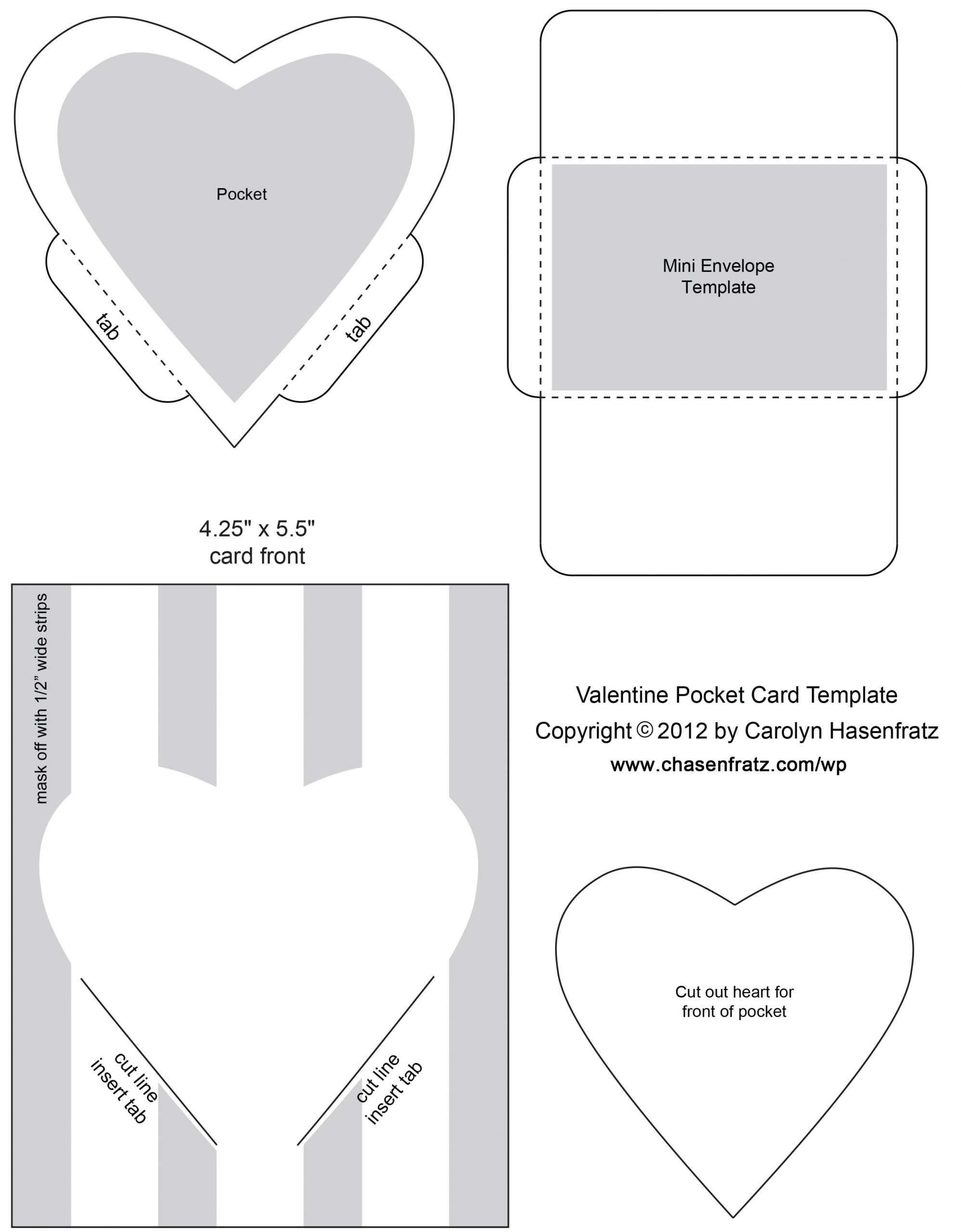
Old greeting cards Christmas and holiday theme papers and images – new or upcycled Template Valentine Pocket Card Self-sticking laminating sheets Pen or pencil Paper cutter Scissors Scrap chipboard Glue stick Metallic paint pens Small rubber stamps Assorted colors rubber stamping ink Clean scrap paper Burnishing tool, such as a bone folder Optional – stickers
Clockwise starting at top left: paper scraps, mini envelopes before assembly, sentiments cut from greeting cards, Mini Envelope Template, Mini Card Template made from scrap chipboard.
Instructions
First download and print out the template Valentine Pocket Card. Cut out the Mini Envelope Template and for durability, laminate it with self-sticking laminating sheets. Use this template to find and trace around holiday themed papers and envelopes to make cute tiny envelopes. Fold the tabs at the dotted lines, and use a glue stick to glue the bottom flap to the bottom of the side flaps.
Next make a little rectangle out of scrap chipboard to use as a template for finding and tracing around greetings and sayings from old cards. The dimensions for the rectangle are 2 7/8″ x 1 7/8″. Trace with a pen or pencil around sections of cards you want to use for a mini card, then cut out.
After cutting out the greetings and sentiments, outline the edges with a metallic paint marker, and use some small festive rubber stamps to apply holiday related designs around the border. Add stamped accents to the fronts of the envelopes as well. If needed, use clean scrap paper and a bone folder to blot the inks you’re using before handling the cards so that they don’t smear.
Glue colorful festive papers to the backs of the cards with a glue stick. Burnish well, and trim.
Once they are dry enough to handle, the cards are ready to insert into the envelopes. You can seal the top flap of the envelope with the glue stick, or use a festive sticker to close the flap.
Further Reading
If you would like more ideas about how to have a more sustainable holiday season, here are other articles of mine on this topic.
Narrow strips of paper attached to a piece of scrap plexiglass.
I work on a lot of small scale stamping projects and I stamp a lot of tiny stamps, many unmounted. Sometimes I stamp things like little words for collages, mini greetings for tags and cards, or dates or days of the week for planners and journals. I like to stamp a lot of extra paper pieces for future projects when I get my stamps out – it saves a lot of time.
When I stamp a lot of tiny stamps at a time, the task is a lot easier if I tear a bunch of paper strips with a ruler then temporarily attach the ends to a piece of scrap plexiglass with rubber bands or tape. Otherwise the paper strips are kind of hard to keep in place for a clean print since they are so light and the ends tend to curl a bit.
Here are some of my tiny stamps next to the acrylic blocks I use for mounting them temporarily with double-sided tape.
I use the fronts and the sides of small acrylic stamping blocks to temporarily mount my tiny stamps with double-sided tape. I’m not that fussy about keeping the blocks clean since I usually stamp in black. But every once in awhile I’ll scrub them with stamp cleaner or Simple Green cleaner when they get too inked up to see what I’m doing. One of the reasons to use clear acrylic blocks is to see where you are stamping! If it’s not that critical to be precise you can use any small object that you can tape a stamp to and don’t mind getting inky as a temporary mount, for example I often use the lids of pill bottles or the edges of Tic-Tac containers.
Make your own decorated paper tags for a variety of craft projects!This is a good project for using up a lot of paper scraps.
Tools and Materials
Tag Art Template (scroll up and alt-click to download or get PDF – PDF Tag Art Template) Ball point pen Medium weight black marker Black rubber stamping ink Rubber stamps with sentiments Light colored, light weight paper Assorted paper scraps in a selected color scheme – I used neutrals in this demo Clean scrap paper Ruler Bone folder or squeegee Scissors Glue sticks Hole punch String, twine, or embroidery floss
Instructions:
Download my .jpeg graphic Tag Art Template above. If you prefer a PDF file here is a link – PDF Tag Art Template. Print it out onto cardstock if you can, or print it on regular paper and glue it to cardstock for stiffness and durability. Cut around the tags and punch the holes. Now you have a set of tag templates ready to use.
Here is a selection of tag templates I made for myself out of various scrap card stock and chipboard.Besides my pattern, other good sources of potential tag shapes are cookie cutters, commercial stencils, and tags from gifts you get than you can trace.There are also clear and colored plastic tags for sale where craft supplies are sold. Those could be traced and also used as the covers for tag books.
2. Trace the tag shapes onto assorted cardstock pieces. If you have scraps this is a good way to use some up. Cut out the tags close to the lines you drew, but a little outside. That will help you cut a clean edge later.
3. Pick out some light-colored paper that complements your chosen color scheme. Use a ruler as a straight edge to tear the paper into strips. Stamp greetings and sentiments onto the paper pieces with black stamping ink.
I stamped neutral pastel color strips of paper with assorted sentiments in black rubber stamping ink. Most of the stamps you see here are from my unmounted stamp set Assorted Greetings and Sentiments. You could use any sentiment stamps that you have around or tear words out of found papers or old cards.
4. Place the tags on your work surface with the outlined sides down on clean scrap paper. Glue a sentiment on the front of each tag. Fill in the rest of the tag with paper scraps. Tear them into narrow strips with the ruler if you need to.
Adding stamped sentiments and strips of decorative paper scraps to my cut out tags.
5. Trim the tags following the pen line on the back and punch out the holes.
6. Outline the tags with a black sharpie marker
What they call a Sharpie Fine Point I think of as a medium point marker because they make much finer ones. Any black marker will do if it gives you the kind of line you want around the edge. If you like, experiment on scrap cardstock or chipboard before you outline a finished tag.
7. Select two or three strands of string, twine or embroidery floss and thread through the holes with a lark’s head knot.
Once you have made the tags, what can you do with them?
Put one on the front of a greeting card.
Decorate a gift package.
Use as a bookmark.
Make a tag book.
Enhance a shadow box.
Incorporate into scrapbook or journal pages.
Make a decorative seasonal garland.
Make motivational notes for yourself.
Create decorative door hangers.
Label bottles or jars.
What else can you think of? Have fun with your tag art!
Here is a quick little “housekeeping” notice. I have a business Facebook page called Carolyn’s Stamp Store that I started back in 2011 to help market my rubber art stamp line. After expanding into other art supplies in addition to the other rubber stamps, I renamed my Etsy shop CarolynHDesign.
The Carolyn’s Stamp Store Facebook page has been getting a lot more traffic lately so I updated some of the info on it this morning so people who visit it don’t get TOO lost and confused. I have a lot of tidying up to do on it as well as on most of my online accounts and web sites.
The month of July 2023 will be my 25th anniversary of launching my first web site, Lime Green Evolution World of Art, later renamed to www.limegreennews.com! Things really change a lot in 25 years don’t they! The Lime Green News site needs a lot of repair and updating but still has a lot of content on it, some of it useful if you ignore the aging infrastructure. I have a very different philosophy of web sites now than when I started. As I repair I will start replacing the infrastructure bit by bit while keeping some things “old fashioned” on purpose.
Back in 2020, my husband Tom and I made a series of videos to help share art with people, which we called Virtual Art Parties. We did 8 or 9 videos before getting overwhelmed with exhaustion and personal crises (mostly affecting me). I had nothing in the tank for awhile to attempt to help other people, I needed everything I had to survive then help myself so I could help others. I attempted to restart the Virtual Art Party series this past spring. Here is the resulting video with special guest my Dad, Don Hasenfratz. This was going to be a lot longer but it got cut off early, maybe by a wifi glitch or something. I didn’t realize until it was over that only the introduction was recorded. After watching it, I am sharing it here because I still like what was conveyed. Check it out if you’re interested.
I have experimented with other video platforms in the meantime, but for now Facebook Live is still the easiest that I know so I’ll likely keep using it for awhile as I gradually restart the video series.
Some of my finished scribble art. This is the second of two scribbles. Are these finished “art”? Maybe they are, but even if they are not I might use the resulting textures as collage elements or image transfers in other projects in the future. They should look pretty good as is with a nice mat and frame.
The work on this page was inspired by the project “Collaborative scribble drawing” in the Expressive Arts Activity Book that I use a lot for study and inspiration (Darley and Heath 60).
Scribble art is a great icebreaker. No artistic talent or skill is needed so it’s easy to get started. If done as art therapy it can also create a rapport between the facilitator and the client by making it into a collaborative activity (Darley and Heath 60). For example, in a two person exercise each person can make a scribble on a blank piece of paper, then the participants trade papers and finish off each others drawings. The initial scribble can even be made with eyes closed to take all the pressure off of having to show artistic skill. Abstract results can also be a way to encourage conversation about something the scribble might remind the participants about (Darley and Heath 60). Following are several examples of scribble art that I made with my husband Tom and my Dad Don.
If you want to try something like these samples, here is a list for tools and materials.
Tools and Materials
Bristol board or drawing paper
Pencil
Eraser
Stencils
Black markers in various widths
Colored pencils
Found papers for collage – I used the insides of business envelopes
Tracing paper
Tape
Glue stick
Scribble art by me and Tom. I did moths on the left with Tom’s scribble and he used my scribble to add in various textures from stencils on the right.
Tom and I each made a scribble with our eyes closed with black marker on Bristol board. Next we traded papers and used commercial stencils by The Crafter’s Workshop to further develop the designs. Then we finished off our designs by coloring in parts of the image with colored pencils and markers.
Tom’s scribble was a challenge to work with because it was very dense. It did remind me of something – I turned it into moths trapped and tangled to represent trying to overcome some kind of frustration or challenge. This kind of work is not only good for the brain but just from a visual point of view it’s a good way to discover effects you might want to use in other art later on.
Scribble art by my Dad. Texture practice on the left, filling in the scribble on the right.
These examples were made by my Dad. First I gave him an introduction to Zentangle and doodle art which I wrote about in a previous blog post. He practiced making some repeating textures. Then we each made scribbles on two sheets of drawing paper. We kept our favorite of the two sheets then traded the other. Then we filled the sheets in with textures from our samplers. For extra fun we glued cutouts from the insides of business envelopes into some of the areas in the scribbles. I thought they looked cool with the hand-drawn textures. The tape and tracing paper from the materials list were used along with the pencil to get my collaged paper pieces to fit in their spots on the scribble drawing.
This is my first scribble art sheet in progress. I think it’s against the “rules” of Zentangle to pre-draw pencil lines as a guide before rendering the designs in marker. But I did it anyway!My finished scribble art after erasing the pencil lines. Bristol board and robust good quality drawing paper will stand up to a lot of erasing if you need it.I made a scribble version of Faux Postage using a printable template I shared awhile back. Dad had started this sheet awhile ago by making marks with stencils and markers in the upper left. He’d left the sheet unfinished for a year or two so I asked him if I could finish it. I was inspired by blue and black patterned envelope insides to make a monochromatic design on the sheet. When I finished marker drawing, coloring and collaging, I glued on some little pieces of paper printed with rubber stamps to evoke postage stamps. I’m going to get printouts made of this sheet and send it out to other artists when I next do some Mail Art.
I’m grateful to Dad and and Tom for doing art with me from time to time. I sure do feel a lot less lonely when I get to do a project with somebody. It helps us all with our general well-being and is also a great way to spend time together. When you’re working on art that is mostly mindless, once you get started, it’s easy to talk about various things. It’s also a good activity to do alone when you’re stressed and need to get in a better state of mind. The finished product really isn’t the point if you’re doing it for therapeutic reasons, but I also get skills and inspiration for future art work while I practice.
Works Cited andRecommended Reading
Darley, Suzanne and Wende Heath. “The Expressive Arts Activity Book: A Resource for Professionals”. Jessica Kingsley Publishers, 2008.
On Martin Luther King Jr. day Tom and I attended a meeting for the Victory Garden at St. Catherine Laboure church where we volunteer. The garden serves multiple purposes. One of the primary missions is to raise produce for food pantries. We are going to be growing vegetables and herbs. One topic that came up in the meeting that has been making me think strategically is that different clientele at different food pantries have preferences for certain foods. If the clientele does not know how to prepare the vegetable or herb and is not familiar with it, they might leave it behind. The people at the Victory Garden have been learning what foods are in demand at what food pantry locations and have been adjusting the distribution and growing patterns to suit the local clientele.
In addition to adjusting supply, it was suggested to also adjust demand by distributing recipes. There are lots of reasons why everyone isn’t familiar with every vegetable or knows how to cook it. Some people are from parts of the world where the cuisine is different. Others might have a lack of grocery stores in their area so have less access to a variety of fresh foods. I also have known several people with plenty of access to food who have never learned to cook because they rely mostly on pizza and fast food. I have seen terrible health issues in some of my friends at relatively early ages due to this kind of deficient diet. It doesn’t have to be this way!
I have been blessed to have been taught to cook by my Mom who was not only a home gardener and a multiple culinary contest winner, but also had a very adventurous palette. She passed on knowledge of cooking and diverse food preferences to me and my late brother. When we were younger my brother and I used to get a silver dollar or a silver half-dollar from a great uncle if we finished all the food on our plates when we had dinner at his house. I guess we kind of neglected to admit that we almost always ate all our food, including the vegetables! We liked almost everything and had pretty hearty appetites. That was decent money when our weekly allowances were about that amount or not much more than that!
I am not a professional chef or food writer but I do like to publish recipes from time to time. I know so many people who are intimidated by food preparation. If I publish a simple recipe that I just made I hope that will inspire someone out there to try it. Since I cook a lot with herbs that I grow I also hope I can suggest ways of using them. A lot of people who don’t cook frequently are very intimidated by dried prepared herbs and spices, much less fresh ones. If you’ve been exposed to a wide range of herbs, spices and flavors your whole life you just know what goes together without having to follow a recipe. I don’t know how you teach this without long-term exposure but at least with a recipe I can show examples of combinations that work.
I am in terrible shape from recent inactivity so I’ll be using recipes from Weight Watchers and healthy recipe books a lot for inspiration as I try to increase my fitness. I inherited a lot of these books from my late uncle, brother, and grandmother. I often start from there and make modifications. If the results are good, I like to tell people about it!
Before I get to a simple new salad recipe, I’ll post links to my Fun With Food page (old but recipes still good!) and recipes of mine that are on blogs.
For inspiration I used a recipe called “Dilled Beet and White Bean Salad” (Gagliardi 70) from a Weight Watchers cook book, but I made a lot of changes and substitutions. For one thing, we had no dill! It still turned out great. It really woke up my taste buds.
Ingredients
3 TBSP apple cider vinegar 2 tsp brown mustard 2 tsp olive oil 1/2 tsp garlic salt 2 (15 1/2-ounce) cans white beans, rinsed and drained 1/2 bag of mini sweet peppers, chopped 1/2 onion, chopped 3 Roma tomatoes, chopped 1 tsp dried Parsley 1 tsp dried Basil 1 tsp dried celery pieces 1 jar sliced beets 1 can sardines 1 bag fresh mixed salad greens, such as spring mix, spinach/arugula mix, or something similar Nutritional yeast
Directions
Get out a large mixing bowl. Open the can of sardines and empty the juice into the bowl. Set drained sardines aside.
Add to the bowl the vinegar, mustard, olive oil, garlic salt, Parsley, Basil and celery pieces. Mix well with a whisk.
Add the drained beans, chopped peppers, onion and tomatoes. Toss well.
Place greens on plates and spoon about 1/4 of the vegetables over the greens per serving. Sprinkle with nutritional yeast. Arrange about 5 beet slices and 4 sardines on top of each salad. Enjoy!
When I was in grade school in the 1970s, I developed an unquenchable doodling habit early on. I covered almost everything in sight with doodles, including my brown paper textbook covers, folders, notebooks and tops of desks – I used pencil on the Formica tops so it would wash off. I thought my habit was harmless and decidedly my own business because I only doodled on my own property or with media that was washable, and I refrained from doodling on homework. I remember that my third grade teacher didn’t agree with that point of view at first and would try to curb my habit by confiscating my implements whenever she saw me doodling away. I don’t think that lasted long. My Mom complained to her about it and gave me extra pens and pencils so I’d always have another one anyway. I was mostly an obedient child but this is one area where I flat out refused to conform. Before too long I was left alone as long as I washed my desk top periodically. That seemed fair to me and all was peaceful from then on.
A popular item I remember from the 1970s was a DoodleArt kit. These were basically sophisticated coloring posters for older kids, teenagers, and adults. The black and white design was Doodled for you and the consumer was meant to color them in with colored markers. As I recall these were sought after items by myself and my peers in the 70s. While shopping at the toy store and the craft store I would drool over them. If I got one for Christmas or a birthday it was a thrill. Here is a link to a vintage DoodleArt kit for sale on Etsy, and I also found an apparently attempted DoodleArt revival on Facebook.
In the present day, many adults once more enjoy adult coloring, similar to actual DoodleArt. Many people like related activities such as art journaling and bullet journaling. Popular Zentangle is a form of meditative pen and ink art where the artist fills in sections of a design with repeating patterns, usually in black pen or marker. Some people add color to their Zentangle designs. Zentangle results do remind me of DoodleArt in a way, though Zentangle practitioners freehand draw their own designs instead of purchasing pre-made coloring pages.
A lot of my art journal pages are somewhat similar to Zentangle, in that I often like to fill in sections with repeating patterns, sometimes hand-drawn, sometimes traced from a stencil. Whenever I put some of my new art journal pages on Pinterest, in the area where you are shown similar pins to your own, a lot of Zentangle art comes up in my feed. I decided just for fun to try Zentangle for real just to learn a variation on what I already like to do. It really scratches that doodling itch that I still have!
My sampler #1
There are lots of samples online of fill-in textures that you can draw in your Zentangle designs. I’ve linked to a few on a Pinterest board so you can see samples and get inspiration. After viewing some samples I decided to make a few of my own samplers featuring my own textures inspired by art journal pages I’ve already done. Here are some easy instructions for making your own sampler.
Tools and Materials Drawing paper Ruler Pencil Eraser Selection of fine tip black pens and markers of different diameters Optional – circle template
Use a ruler and pencil to divide drawing paper into evenly sized squares or rectangles.Outline areas in one thin line and one slightly thicker line. Fill in each section with a hand-drawn texture of your invention. Erase the pencil lines as you fill in the paper.As a variation, on a second piece of drawing paper I slanted the lines to make more irregularly shaped sections to fill in.Yet another variation made by tracing four different sized openings from a circle template.
Some samplers I’ve seen online are works of art in their own right. The ones you see here are not that refined – they are more for practice and developing a vocabulary of textures that reflect my own taste in design. When I’m ready I’ll have lots of choices I can use to make my own version of Zentangle art.