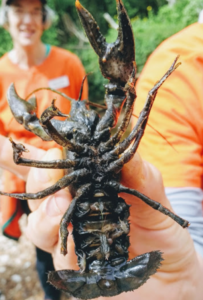
Aquatic Macro Invertebrates are animals without a backbone that live in water and can be seen with the naked eye. I’ve had an interest in these creatures ever since I can remember. When I was young I caught a variety of water invertebrates such as water beetles, clams, crawdads and snails and attempted to maintain them in my aquariums. I was thrilled when my brother’s aquarium started to grow hydra even though they predate on tiny fish, because I’d read about them but never thought I’d see any. I currently have small colonies of freshwater shrimp in three of my aquariums. Many aquatic invertebrates are insects that live part of their life cycles in water but have an adult flying stage.
When the Litzinger Road Ecology Center offered a training workshop for volunteers on how Aquatic Macro Invertebrates are used to monitor water quality, of course I had to attend. Master Naturalist and Stream Team member Cliff Parmer taught us some Aquatic Entomology facts then we went outside to Deer Creek to learn how to take a scientific sample of water invertebrates.
Read more on the Schnarr’s Blog: Aquatic Macro Invertebrates at Litzinger Road Ecology Center
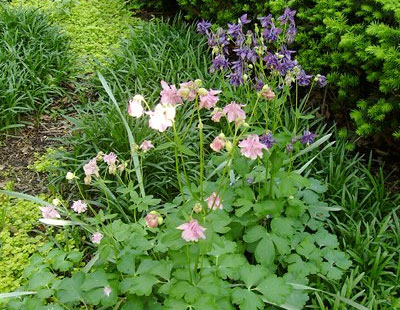
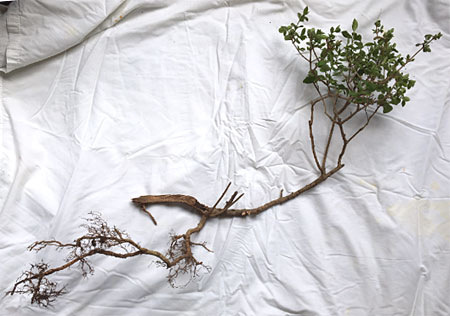
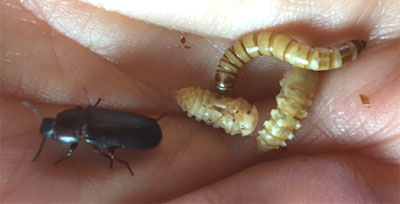
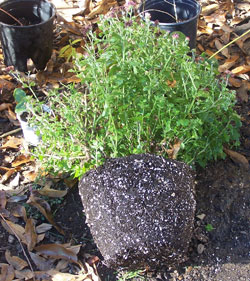
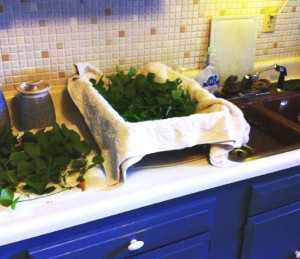 Here are the methods I use for drying and storing herbs. These procedures come partly from the book “Growing and Using Herbs Successfully” by Betty E.M. Jacobs plus years of trial and error.
 Many popular bulb plants, such as Tulips, Daffodils and Hyacinths are best planted in the fall. Here are some tips to help you get the most out of your bulb investment.
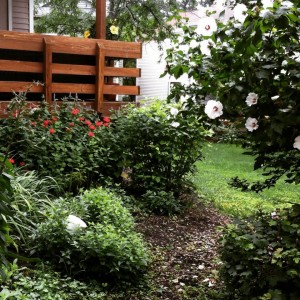 Life can be stressful at times. If we don’t take time for self care our health can suffer. I recently saw an advertisement for a workshop about gardening and holistic self care. I was not able to attend and learn some new things, but I can think of a lot of ways in which my garden already helps me with my own self care.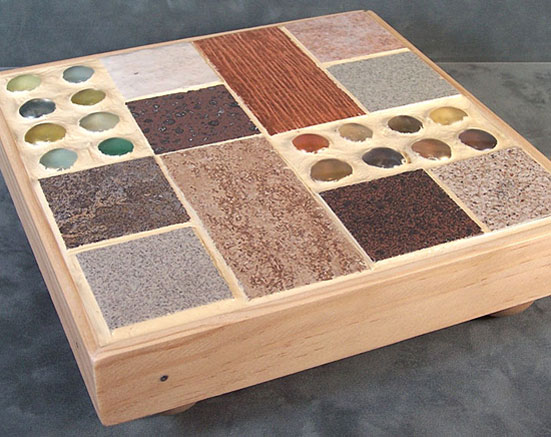
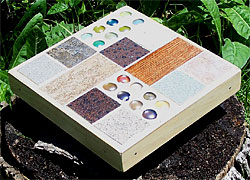 I hope you can join me on June 18, 2016 as we make a mosaic plant stand! Build an attractive and sturdy stand for plant pots or other decorative objects while learning the basics of building a wood frame to contain mosaic tiles. You’ll learn how to set, grout and seal the tiles so your stand will hold up to outdoor use. You will also learn how to attach wooden feet to your stand. This project is a good introduction for those who would later like to make larger projects such as tables and shelves.